What to check before booking Niagara Falls Ontario excursions
Niagara Falls is easy to picture and surprisingly varied to plan. The falls themselves take only a short time to see, yet the surrounding area includes river walks, boat rides, observation decks, tunnels, gardens, museums, casinos, wineries and small-town streets. A good day depends less on squeezing in the most famous stop and more on matching the plan to the people going, the time available and the way you want to move around.
Before committing to a reservation, look past the headline attraction and check the practical details. Some experiences are built around being close to the water. Others focus on views from above, local history or a slower pace away from the busiest streets. A little reading at the start can prevent a day that feels rushed, wet, overpriced or poorly matched to the group.
What each tour actually includes
Start with the route and the stops, not the attractive photos. A tour may be described as a falls visit, yet one version might offer a short photo stop while another includes time at several viewpoints. Check whether the main sights are included or simply seen in passing. If a stop matters to you, confirm how long the group stays there and whether entry tickets are part of the booking.
Pay attention to the order of the day as well. A route that begins with a boat ride and then moves to a viewpoint can feel different from one that starts with a quiet walk. Weather, queues and crowd levels can also change the order. Clear wording about the main stops makes it easier to judge whether the plan suits your energy level and interests.
When comparing niagara falls ontario tours, separate must-see attractions from optional extras. For example, Journey Behind the Falls offers a close view from tunnels near the base of the Horseshoe Falls, while Niagara SkyWheel gives a broader view from above. Those are very different experiences. A plan that includes both may be full, but it can also leave less time for wandering. Decide which kind of view you want most before adding more stops.
Time, pace and meeting details
Duration is useful only when it is realistic. A short tour may work well for a quick arrival, but it can feel cramped if it includes several attractions. A longer tour gives more room to explore, though it may involve more walking and waiting. Read the schedule with the group in mind. Children, older travellers and anyone with limited mobility often benefit from fewer stops and clearer rest points.

Check where the day begins and ends. A central meeting point may be convenient if your hotel is nearby, while a pickup from a wider area can save transport planning. The reverse matters too: a drop-off away from your next stop can add time and cost. Look at the address, nearby landmarks and whether the finish point returns you to the same place.
Ask how much free time is built into the day. Some travellers like a firm schedule with a guide keeping everyone together. Others would rather have a block of time to take photos, sit by the river or browse a small shop. Neither approach is better in every case, but the balance should suit the group. A plan with no slack can turn a simple photo stop into a rush.
Season, weather and the character of the falls
The falls look different across the year. Warmer months bring longer days and a livelier atmosphere, along with busier paths and popular viewpoints. Colder months can be quieter and striking, but some areas may feel exposed and certain outdoor activities may be limited. Check which attractions operate in the season of your visit rather than assuming every option runs year round.
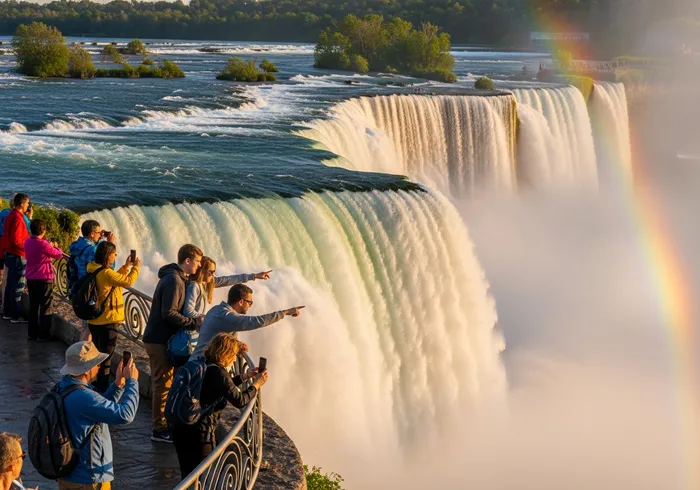
Water conditions can change what you see and feel. Mist may be heavier near the falls, especially from certain angles. A waterproof layer can make a close-up experience more comfortable, and shoes with a firm grip help on wet paths. If a boat or open-air viewpoint is central to the plan, check how the operator handles poor weather or high water. A sensible plan should say what happens if conditions affect the experience.
Daylight also shapes the itinerary. A morning start often feels calmer and gives more flexibility later. An evening plan may include illuminated views and a different mood around the falls. Consider photography, meal times and energy levels before choosing. A tour that looks compact on paper can feel long if it starts late and includes several outdoor stops after dark.
How the group will move around
Transport affects comfort more than many travellers expect. Coaches and shuttles suit people who prefer fewer transfers, while smaller vehicles can feel more direct. Walking-heavy plans work best for those who enjoy being outdoors and can manage uneven paths, stairs or longer stretches between stops. Check the level of walking and whether any part of the route involves steep ground.
If the day includes Niagara Parks attractions, look at how they connect. Some viewpoints and pathways are close together, while others require a ride or a longer walk. A plan that clusters nearby stops tends to feel smoother than one that crosses the area repeatedly. This matters most when time is limited or the group includes people who tire easily.
For a broader outing, a Niagara-on-the-Lake tour changes the pace. It usually adds heritage streets, shops and a different riverside setting. That can be a good fit for a slower day, especially for travellers who enjoy history or a meal stop. It is less suitable if the main goal is to spend as much time as possible close to the cascades.
Group size and style of guiding
A larger group can move efficiently, yet it may be harder to hear the guide or linger at a viewpoint. A smaller group often feels more flexible, though it still runs on a set plan. Check whether there is a live guide, recorded commentary or no commentary at all. If local context is a big part of the appeal, look for a clear description of what the guide covers.
Consider the tone of the day. Some tours are lively and packed with facts. Others leave more space for photos and independent exploration. A family with young children may prefer a plan with clear breaks, while a couple may enjoy a quieter route with fewer stops. Reading the tone of the description can reveal a lot about how the day will feel.
Language can matter too. If anyone in the group needs commentary in a particular language, confirm it before booking. It is better to know early than to arrive and find that the spoken portion cannot be followed. The same applies to written information, especially at stops where signs carry much of the context.
Entry tickets, inclusions and hidden gaps
- Check whether attraction tickets are included, pre-booked or paid separately on the day.
- Look for meals, snacks and drinks, since a full itinerary can be hard to enjoy without a planned break.
- Confirm whether gratuities, transport between stops or hotel pickup are part of the arrangement.
- Read the wording around optional stops so the day does not depend on spending extra to enjoy the plan.
- Notice whether time at the falls is guaranteed or could be shortened by other stops.
Inclusions are easiest to compare when written plainly. A tour that lists every major ticket may appear more expensive at first glance, yet it can be simpler than paying at each stop. On the other hand, a plan with fewer inclusions may suit travellers who already know which attractions they want or prefer to choose on the day.
Also check what is not included. This is where surprises usually appear. If lunch is not covered, find out whether there is enough time to eat and whether the route passes suitable places. If hotel pickup is not offered, work out how to reach the meeting point. Clear exclusions are not a warning sign by themselves, vague wording is the bigger concern.
Accessibility, comfort and practical limits
Accessibility needs should be checked in detail rather than assumed. Some viewpoints involve stairs, ramps, tunnels or long walks. A vehicle may be able to drop passengers close to a stop, yet the final path can still be uneven or crowded. Contact the operator with specific questions about step-free access, seating and the ability to stay with the group at a slower pace.
Think about luggage, strollers and mobility aids. A day tour may not allow large bags, and storage space on a coach can be limited. If the booking follows a hotel checkout or precedes a train, plan where belongings will go. Families with strollers should check whether the route is suitable and whether folding is expected at certain stops.
Comfort also comes from small details. Bring a layer for wind, sun protection in open areas and a bottle of water when the day is warm. Close views can spray clothing, so a compact rain cover can be useful even when the sky looks clear. These items do not turn a poor plan into a good one, but they help a well-chosen day run smoothly.
Reputation and clarity of communication
Read recent comments with a focus on patterns rather than a single strong opinion. Repeated notes about late starts, unclear meeting points or rushed stops are more useful than one isolated complaint. Look for comments about how the guide handled crowds, weather and questions. Consistent communication is often a sign of a well-run experience.
Booking terms deserve the same attention as the itinerary. Check the cancellation window, changes caused by weather and what happens if an attraction closes. A clear policy protects both sides and sets expectations. If the wording is difficult to follow, ask for clarification before paying rather than relying on memory later.
Good communication before the day is a useful signal. A clear confirmation should state the meeting point, start time, duration, main stops and what is included. It should also explain how to reach the operator if plans change. Travellers comparing niagara falls ontario tours often notice this detail only after booking, yet it can shape the whole experience.
Matching the tour to the reason for the trip
Some visitors want a broad introduction and a few famous views. Others want time at the water, a family-friendly route or a calm escape from crowded areas. The right choice depends on that purpose. A packed itinerary can be excellent for a first visit with limited time, while a shorter plan may suit someone returning for a specific viewpoint.
Think about what would make the day feel complete. It might be a close encounter with the mist, a panoramic view, a walk along the river or time in a quieter part of the park. Once that priority is clear, the rest becomes easier. Compare plans by how well they protect that experience, not by the number of names listed in the title.
Attractions such as White Water Walk and Clifton Hill attractions can add character, but they pull the day in different directions. One leans toward nature and the river, the other toward games, dining and bright streets. Both can fit well when chosen with care. Forcing them into the same short window may leave little time to enjoy either.
A considered booking starts with simple questions. What is included, how long is the day, where does it begin, how much walking is involved and what happens if conditions change? The answers may not be the most exciting part of planning, yet they determine whether the falls feel memorable for the right reasons. When the practical pieces fit, the experience has room to speak for itself.
Ends · NIAGARAFALLSONTARIOTOURSTIPS